SBI Growth · 2023 – 2025
SBI: From Consulting to Growth Planning
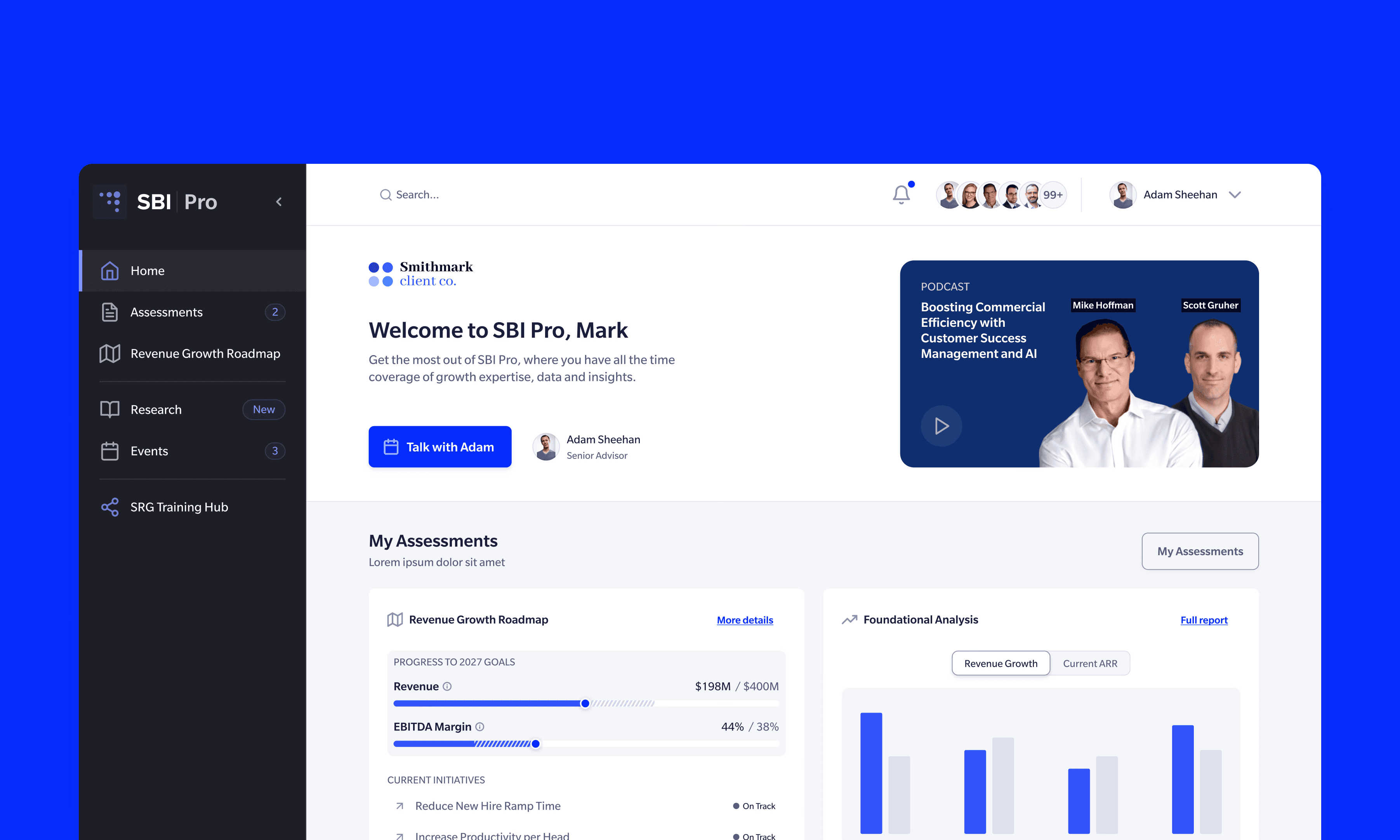
I helped package SBI's consulting-led growth analytics services into SBI Pro, turning manual analyst workflows and static deliverables into editable, recurring planning workflows.
My Scope
I led product design on SBI Pro — the core SaaS planning experience — covering the shared product foundation, AI-assisted analyst workflow, roadmap planning layer, and analytics dashboard patterns. I partnered with engineering on component structure and naming, and with product and revenue teams on feature packaging for recurring use.
The Situation
SBI offers growth analytics services to sales and revenue teams at enterprise companies. The work was consulting-led: analysts manually pulled data from CRM, finance, HR, and assessment sources, synthesized it into growth recommendations, and delivered static outputs to clients. The workflow was service-heavy, bottlenecked by analyst availability, and difficult to scale.
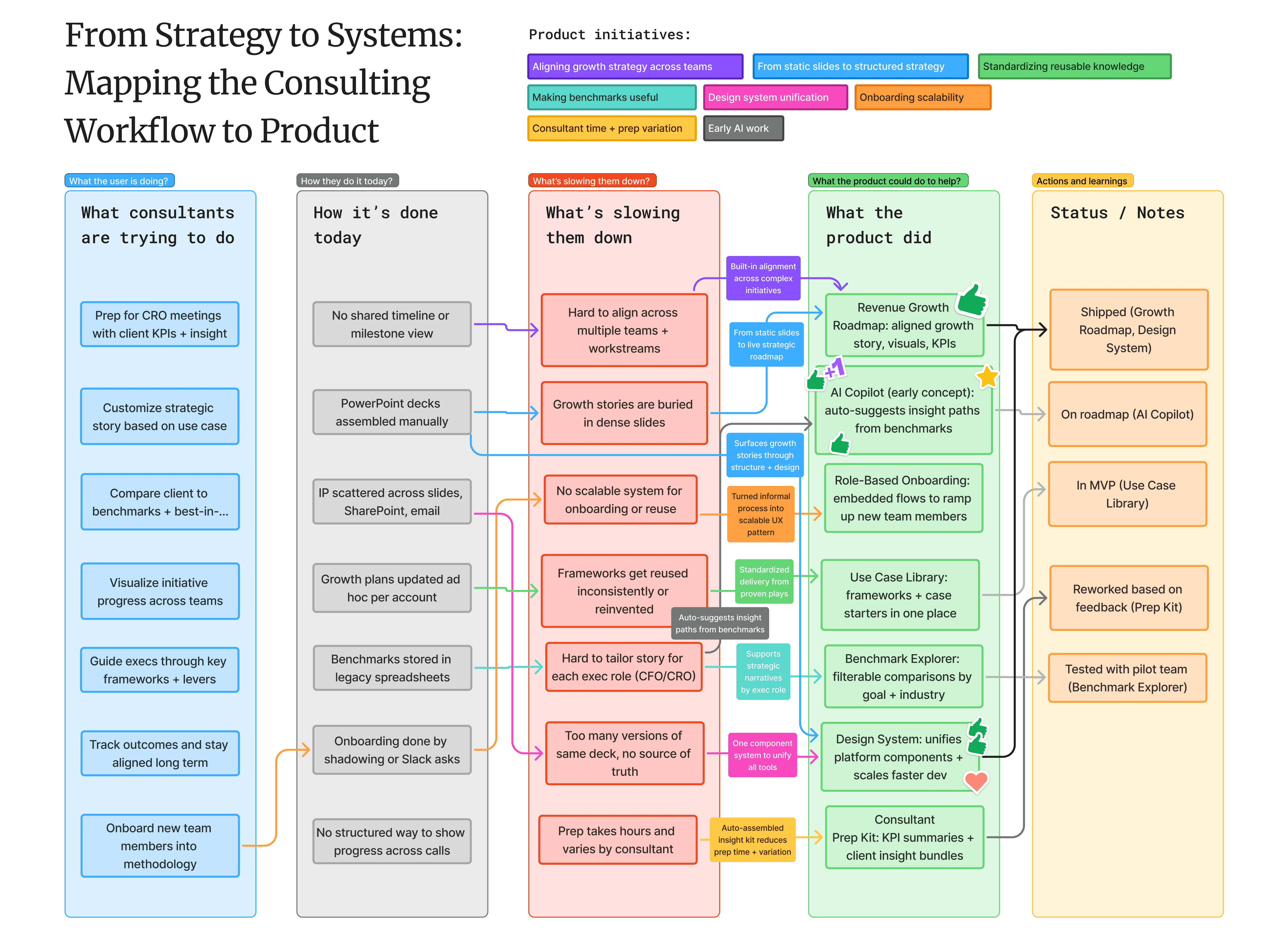
SBI offered growth analytics through four separate internal tools. SBI Pro unified them under a single SaaS platform with a shared design foundation — one component library, one token system, consistent patterns across all entry points. SBI Pro was the move toward a SaaS model, turning those manual consulting workflows into a structured, repeatable product experience. My work focused on building the product foundation and workflows that made that transition possible.
The challenge was not only adding features. It was turning consulting processes into a scalable product experience.
Research and Audit
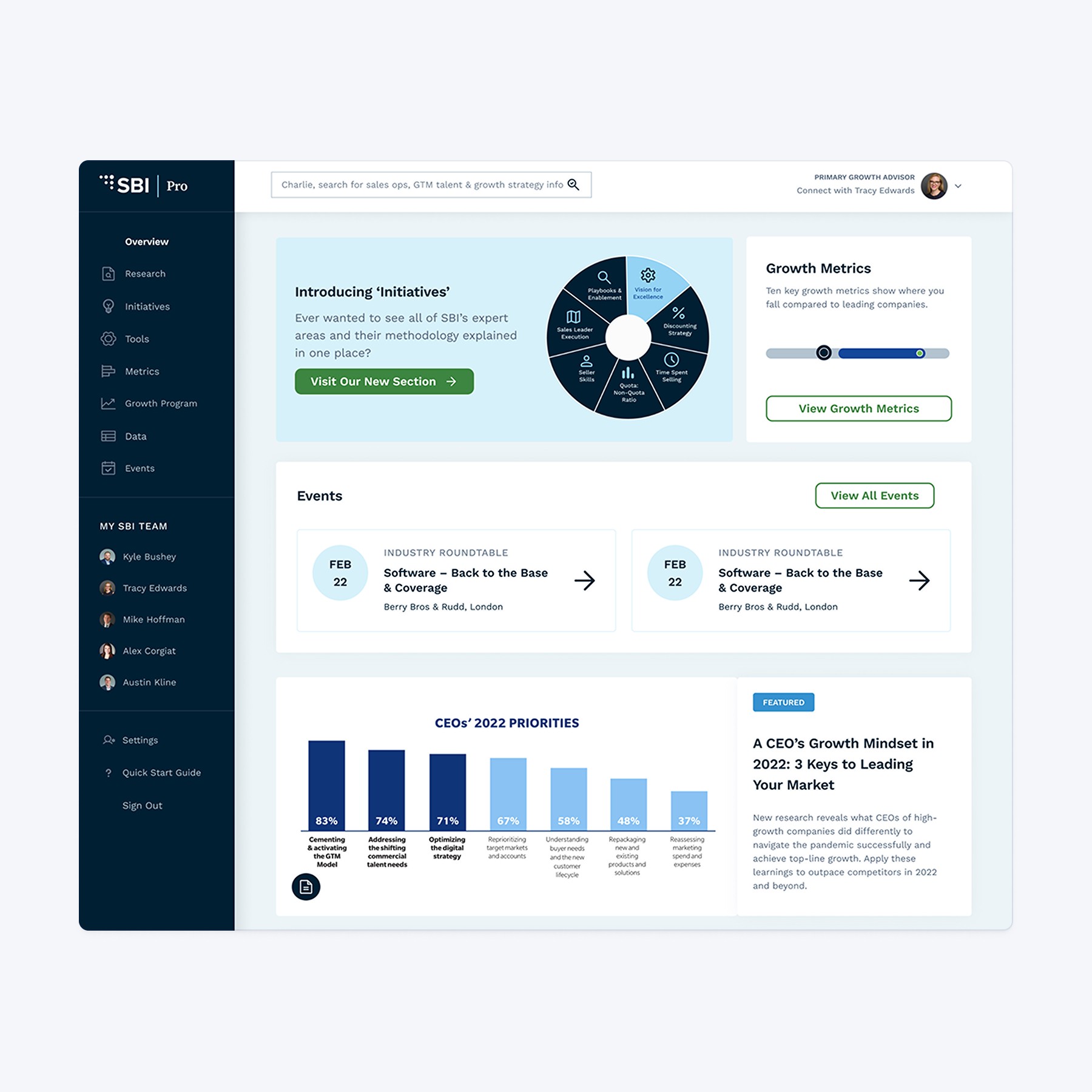
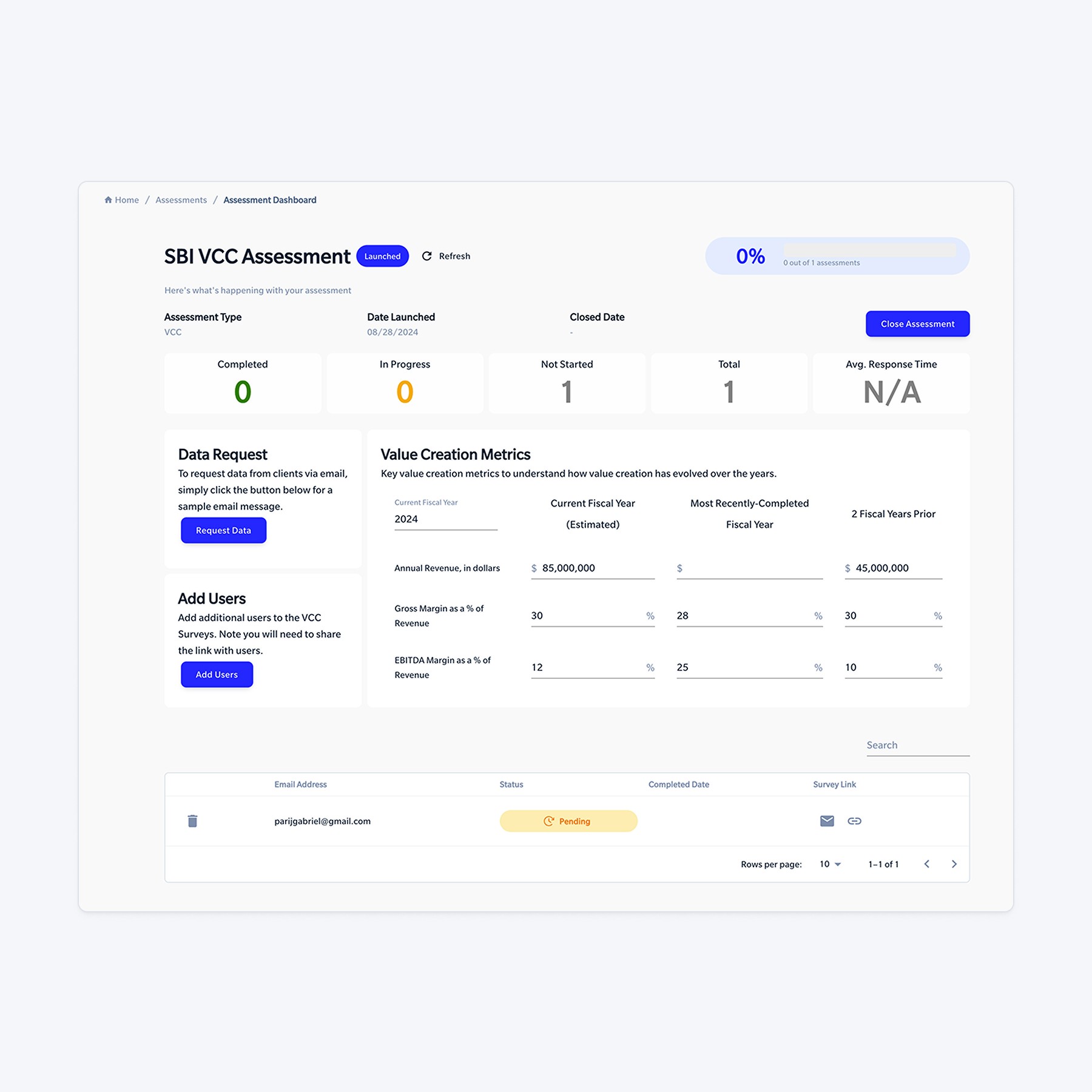
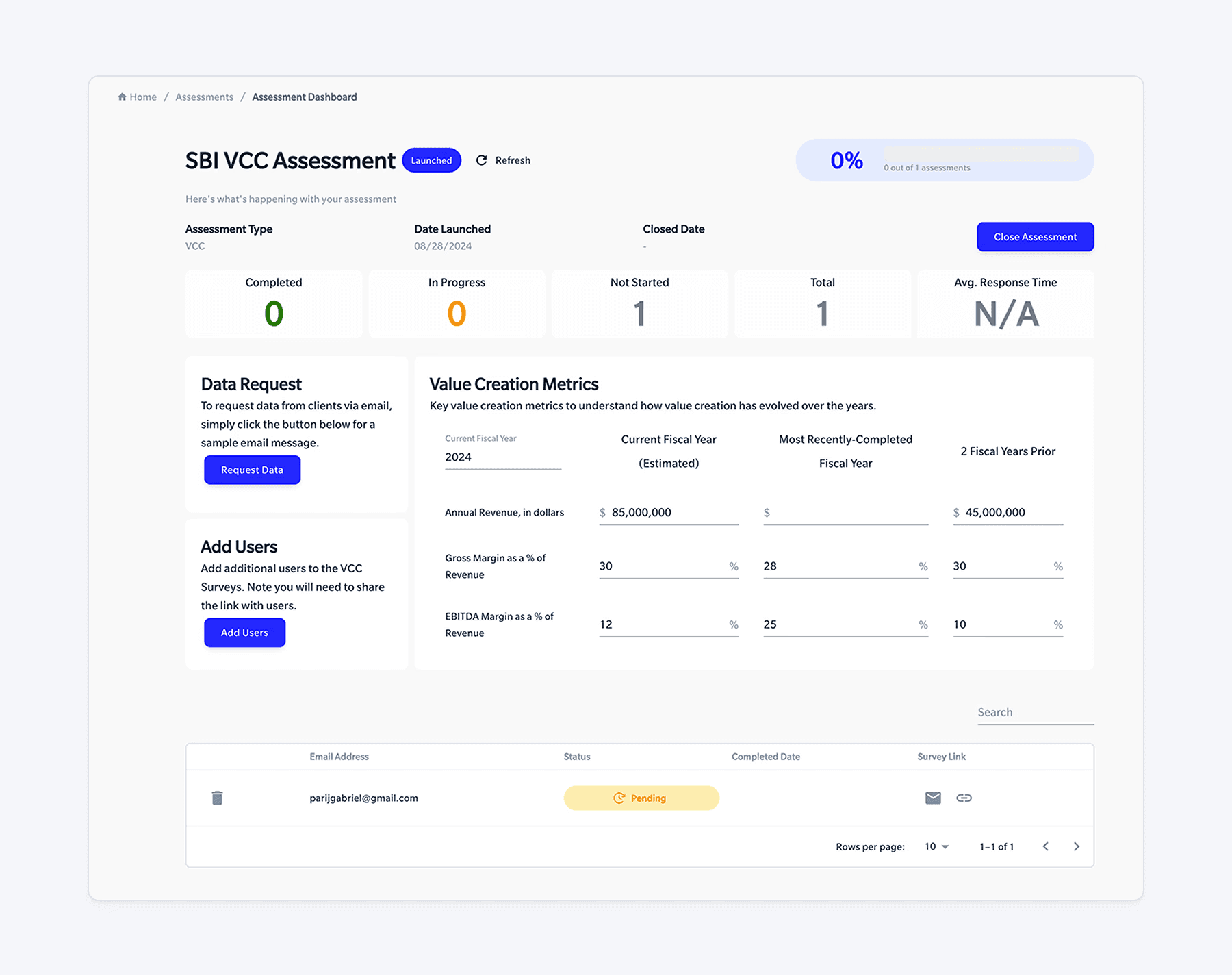
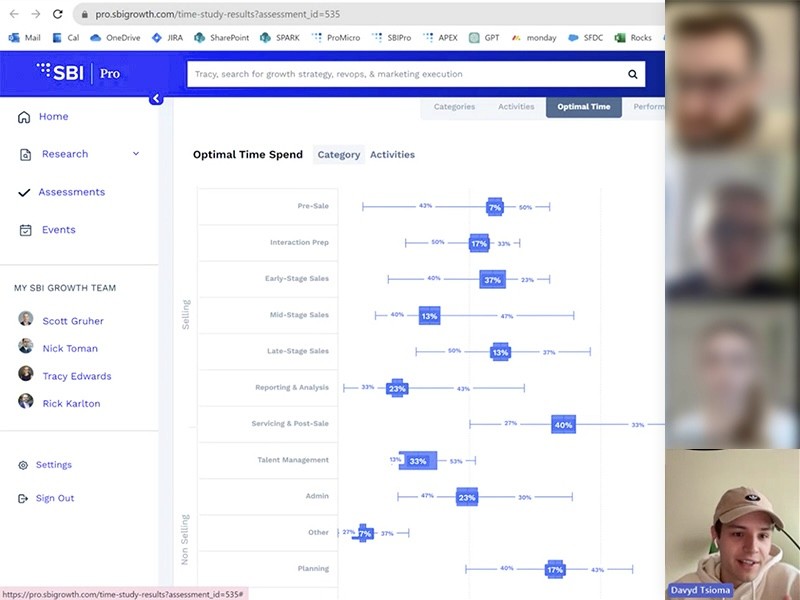
To ground the redesign, I interviewed business analysts, decision-makers, SBI Pro users and internal analysts, external design partners, and internal stakeholders. I also observed live screen-sharing sessions to see where users got stuck, then mapped journeys and measured time-on-task for key actions like generating reports, filtering data, and accessing insights.
The audit surfaced fragmented navigation, inconsistent button placement, unclear labels, cluttered dashboards, and limited sharing and exporting. These issues slowed common actions and made insights harder to trust.
The Design System
Turning consulting workflows into a scalable SaaS experience required a consistent product foundation. Without it, the SBI Pro experience would feel fragmented and hard to scale as new workflows and features were added.
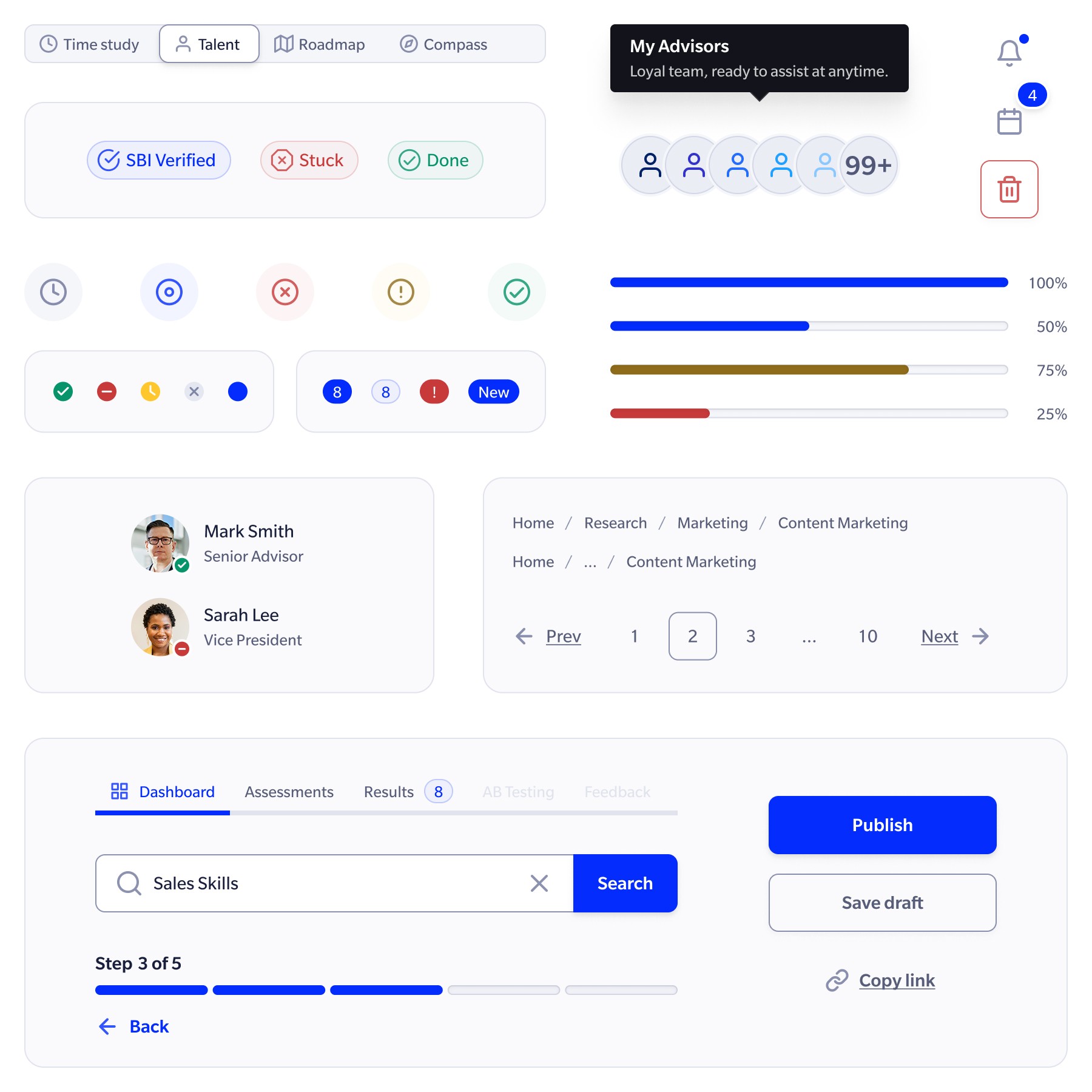
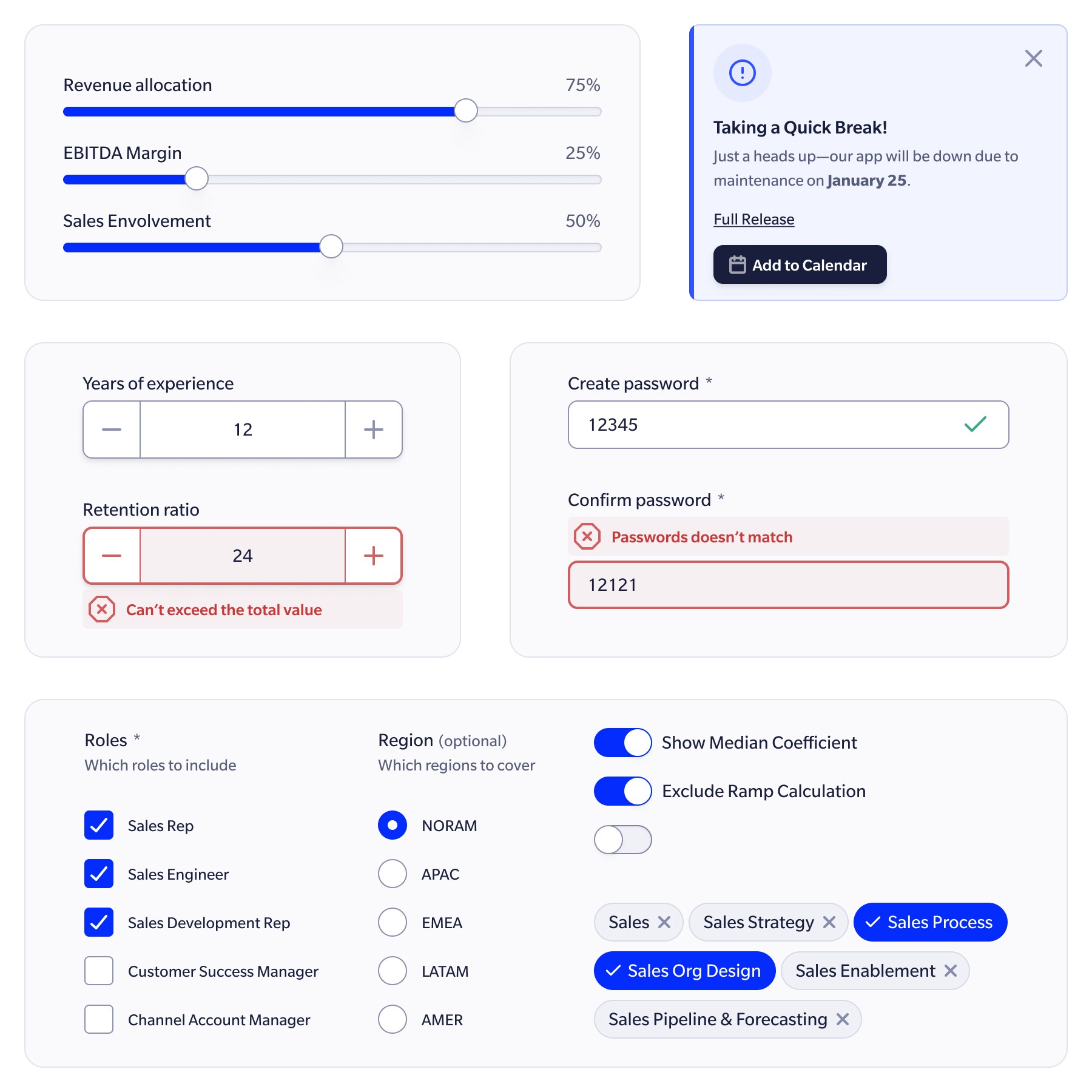
I built a 100+ component design system that created that shared foundation.
Shared vocabulary
Floor, not ceiling
Tokens first
Library governance
The AI Growth Planning Tool
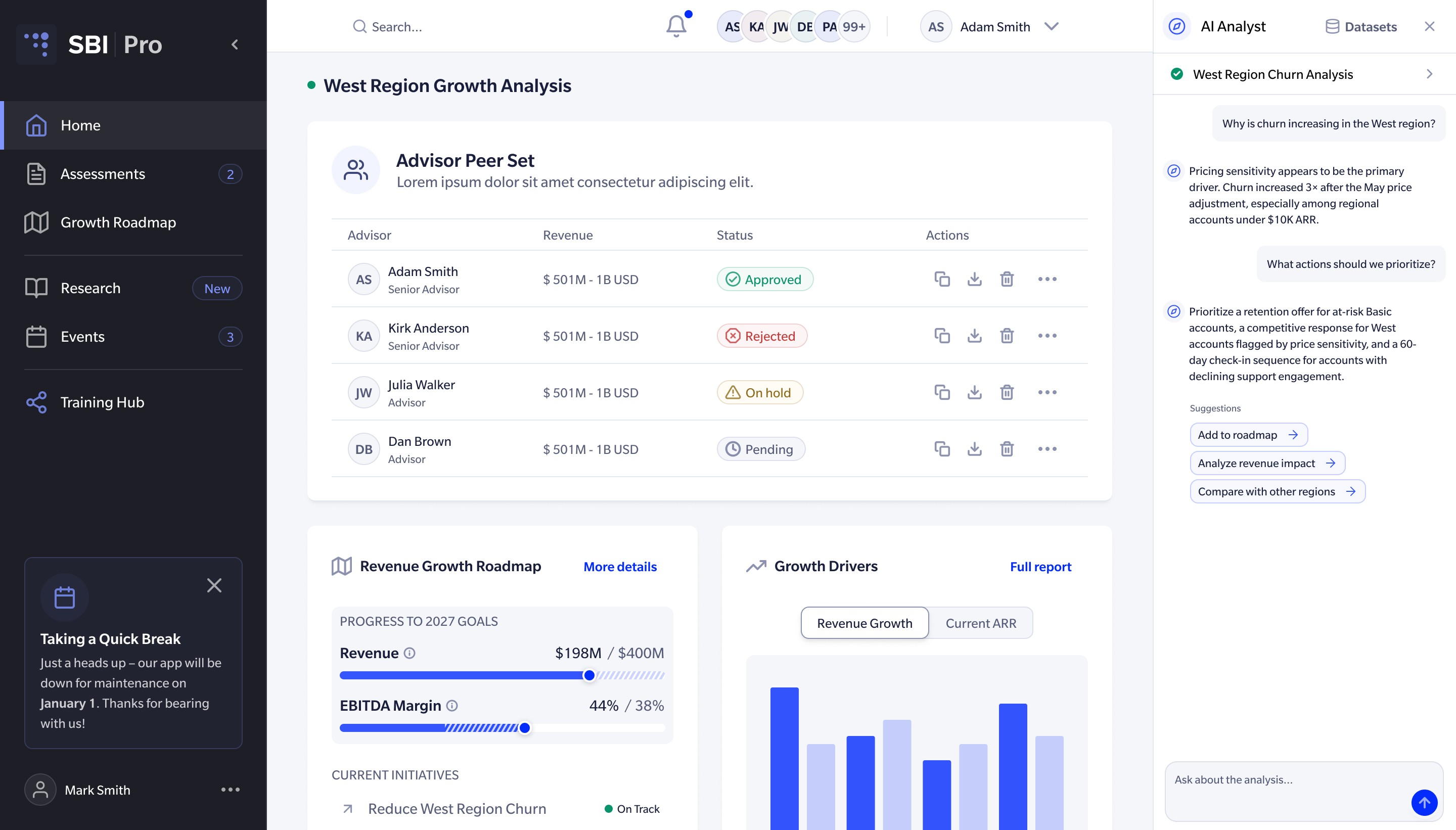
Inside SBI Pro, I redesigned this as a guided workflow. An analyst selects a target account, chooses a growth lever, connects CRM and finance inputs, and generates a sourced plan with editable recommendations and next-step roadmap items. The AI handles multi-source aggregation and structured synthesis. The analyst applies judgment to the recommendations instead of spending most of the workflow gathering and structuring data.
The design challenge was trust. AI outputs only create value when users can verify the source, judge the signal, and edit the recommendation.
Source visibility
Signal quality
Direct editing
The result was a shift from one-time consulting output to an ongoing product workflow that sales teams could return to, update, and act on over time.
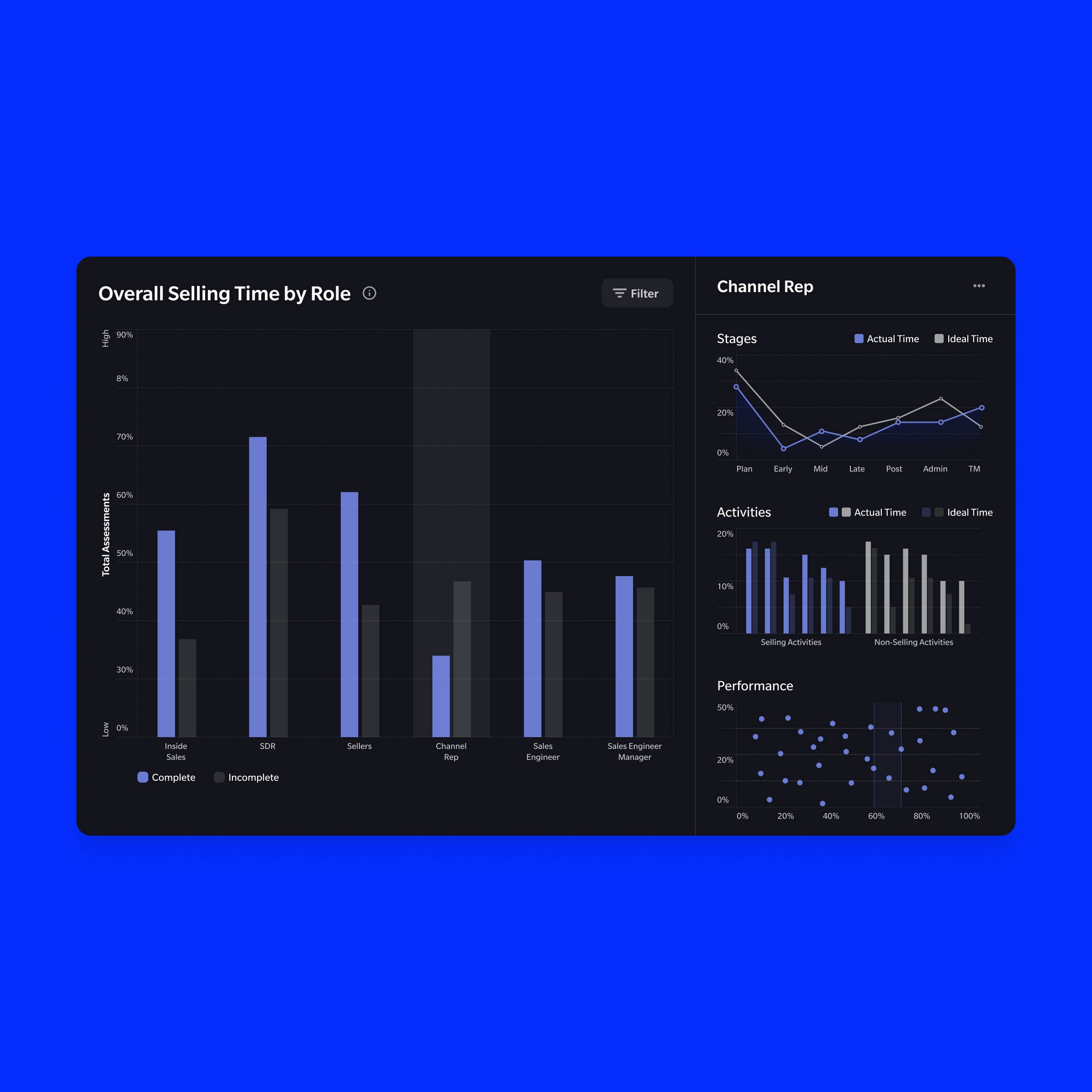
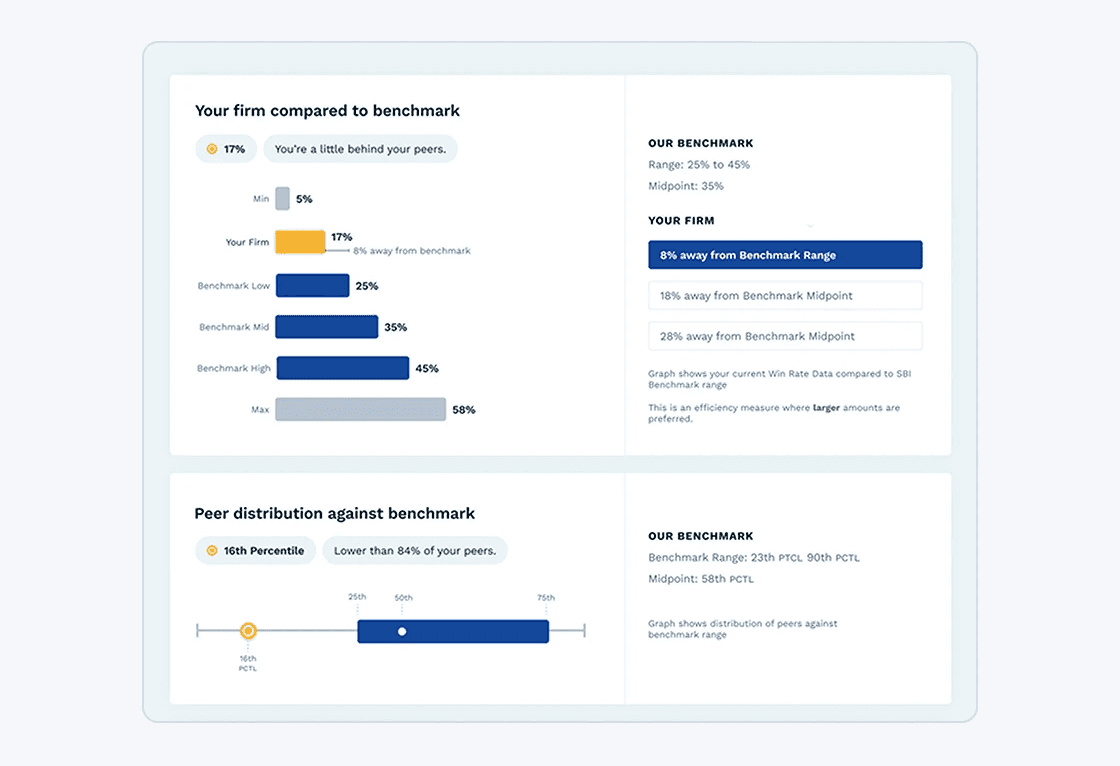
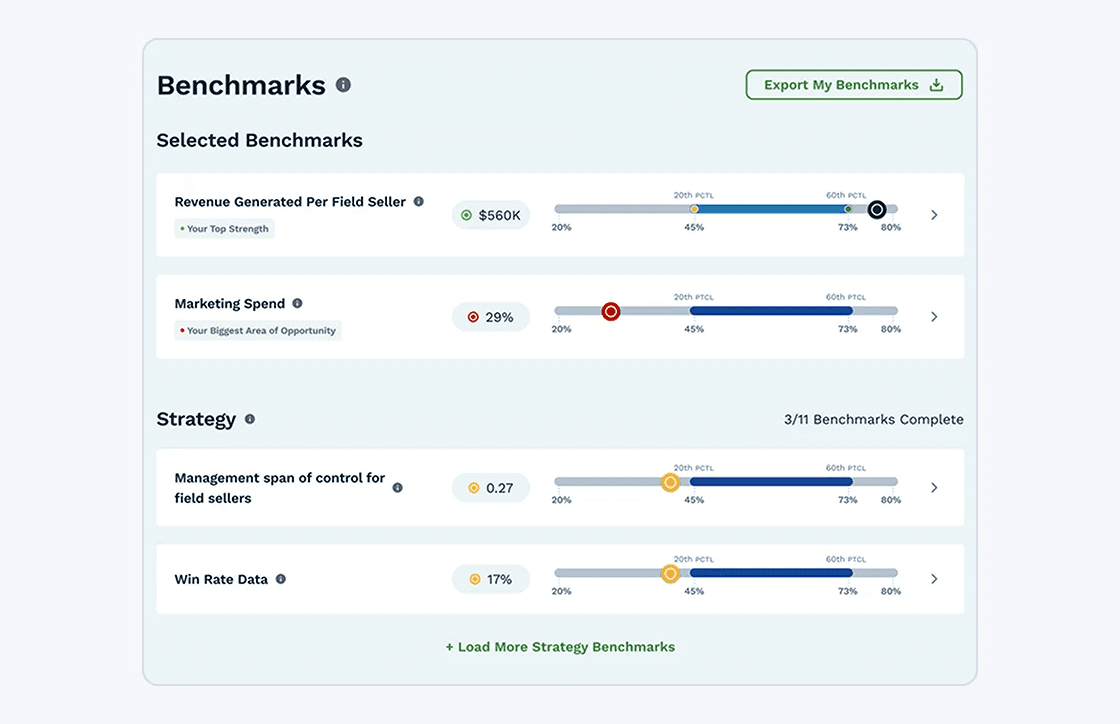
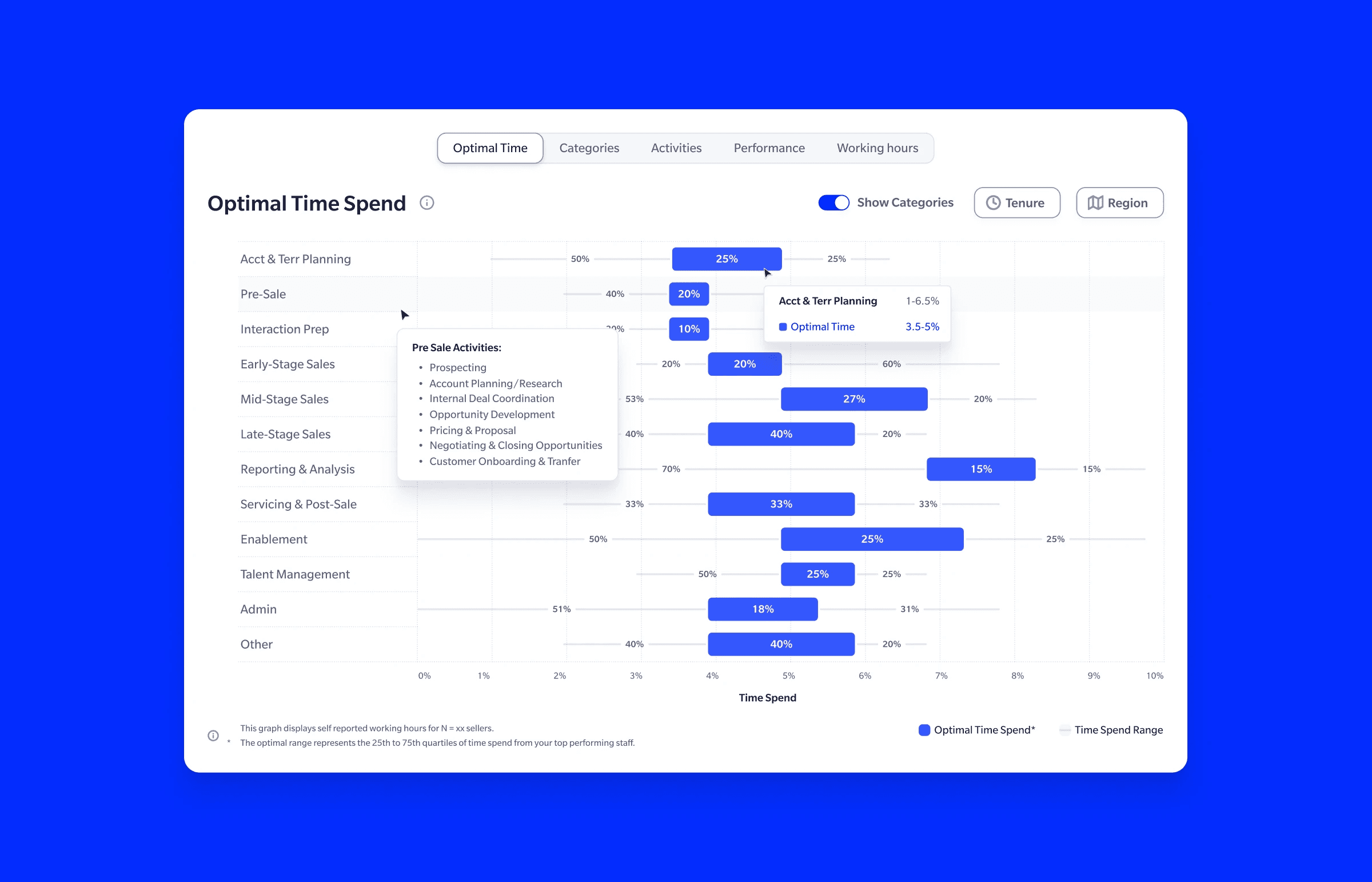
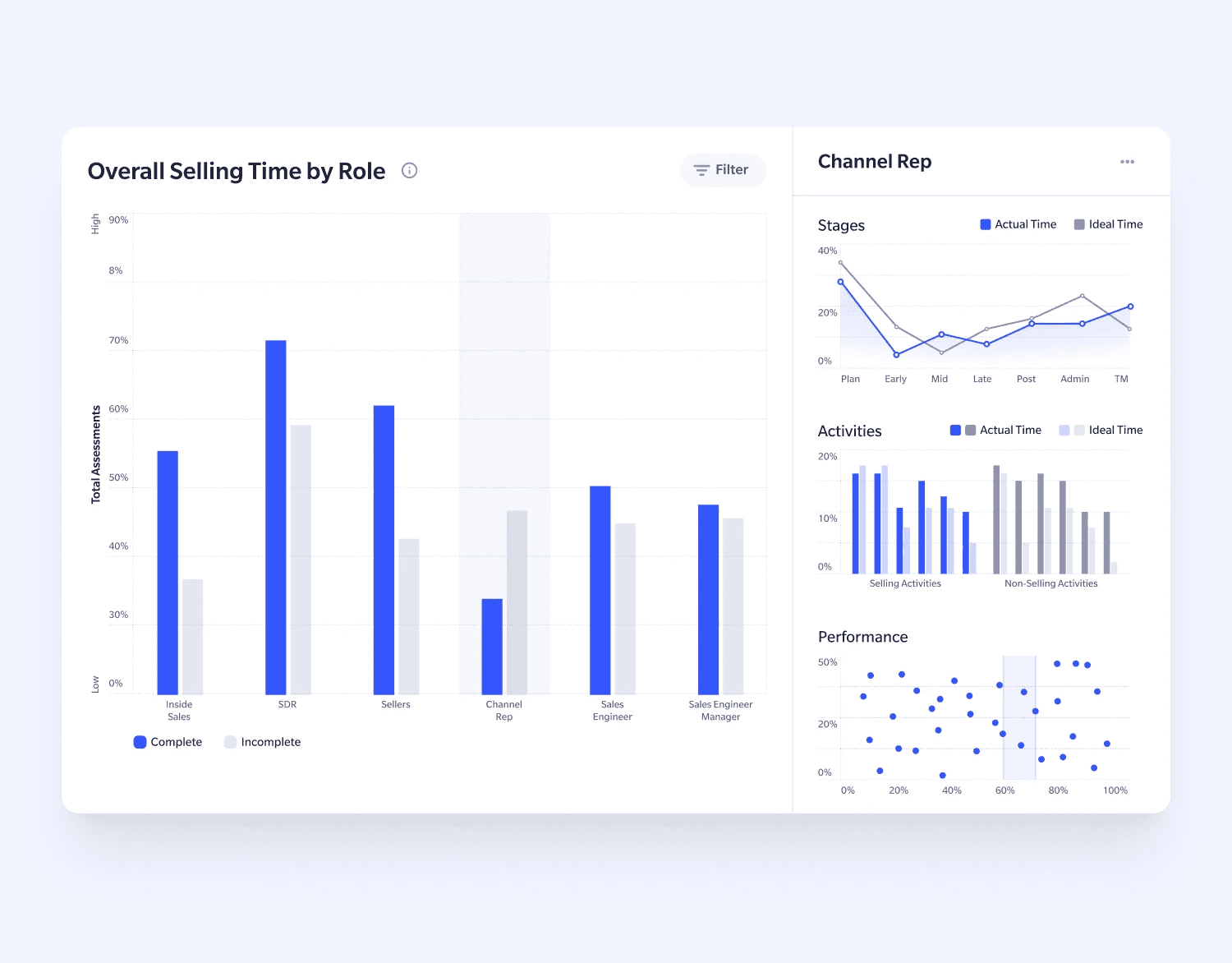
I also redesigned the visualization system used across the talent assessment, revenue growth roadmap, and time study tools. The goal was to make dense analytics easier to scan through consistent chart patterns (bar charts, trend lines, heatmaps, scatter plots), clearer hierarchy, and reusable dashboard components.
The Roadmap Feature + Subscription Model
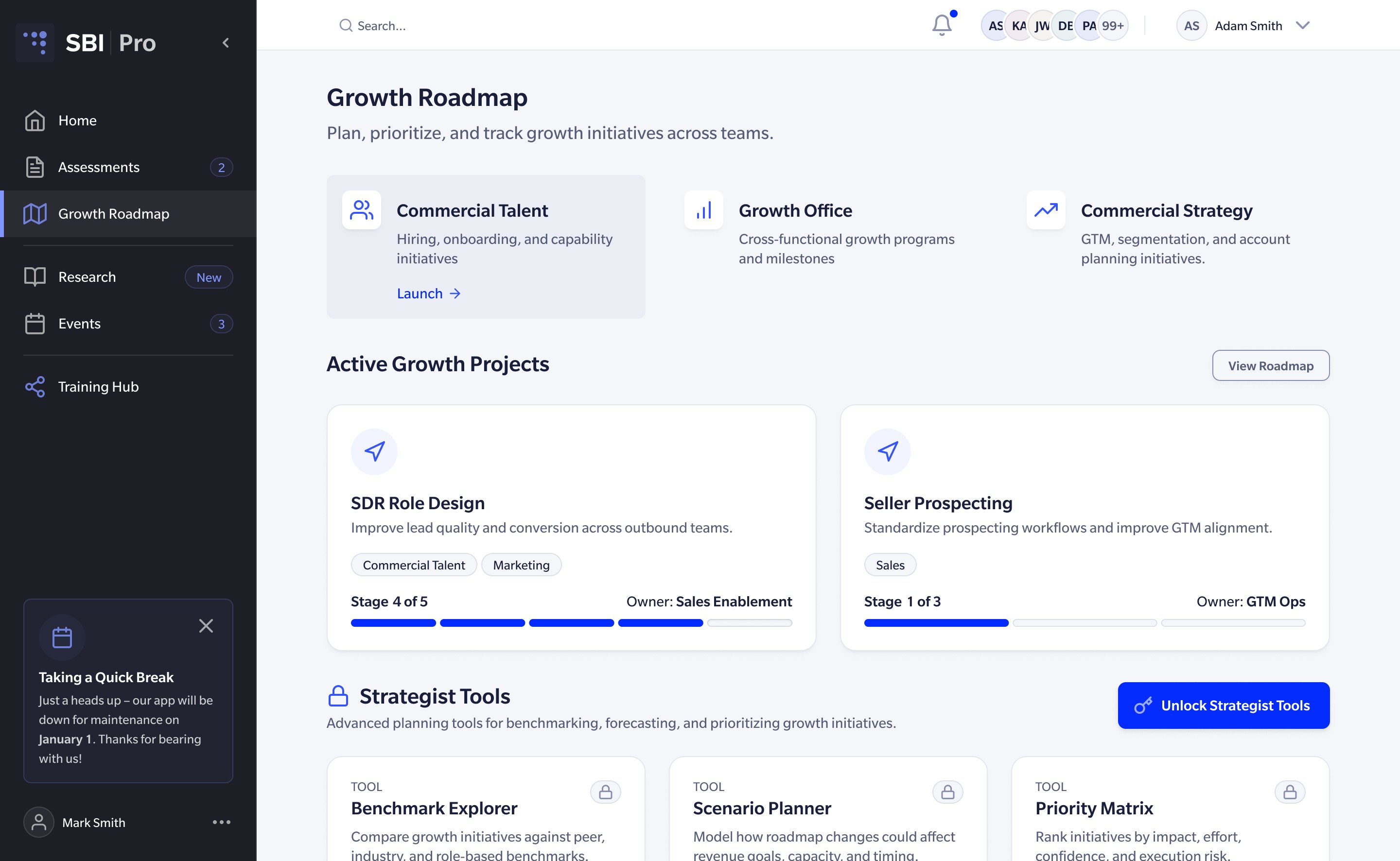
The roadmap planning layer connected the growth planning workflow to recurring SaaS use.
A one-time growth plan has consulting value. A plan teams can revisit, update, and act on over time creates recurring product value.
The product question was also a packaging question: what tier should roadmap planning live in, and why? Getting that wrong would either give away value that justified a paid upgrade, or gate something users needed to trust the product. I contributed to that decision by working across product, engineering, and revenue teams to define the feature scope and tier logic together.
That recurring behavior shaped how we scoped the roadmap feature and where it fit in the subscription packaging.
The design system was essential here. The roadmap feature needed to look and behave like native SBI Pro, not like an add-on, for the upsell to feel credible.
Accessibility
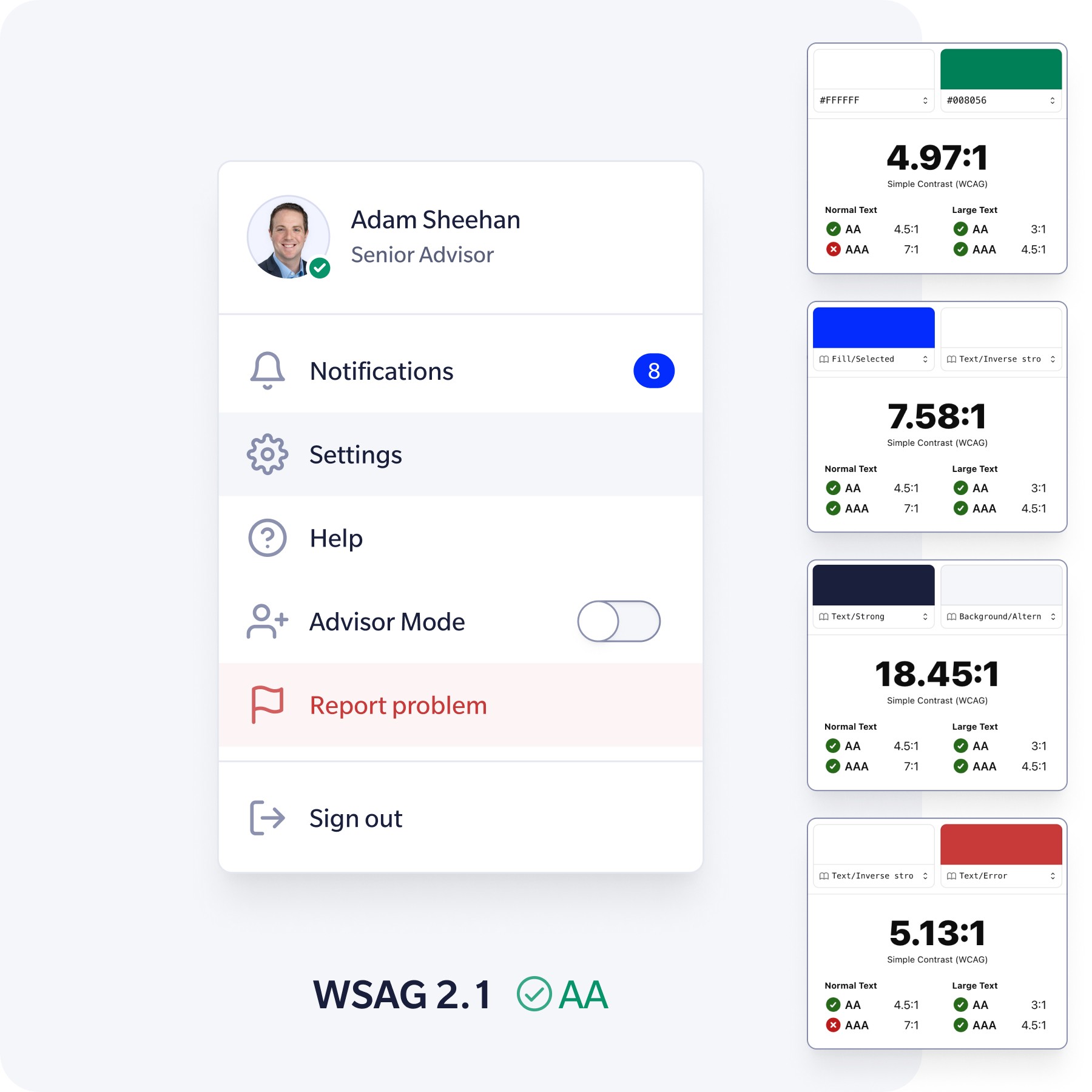
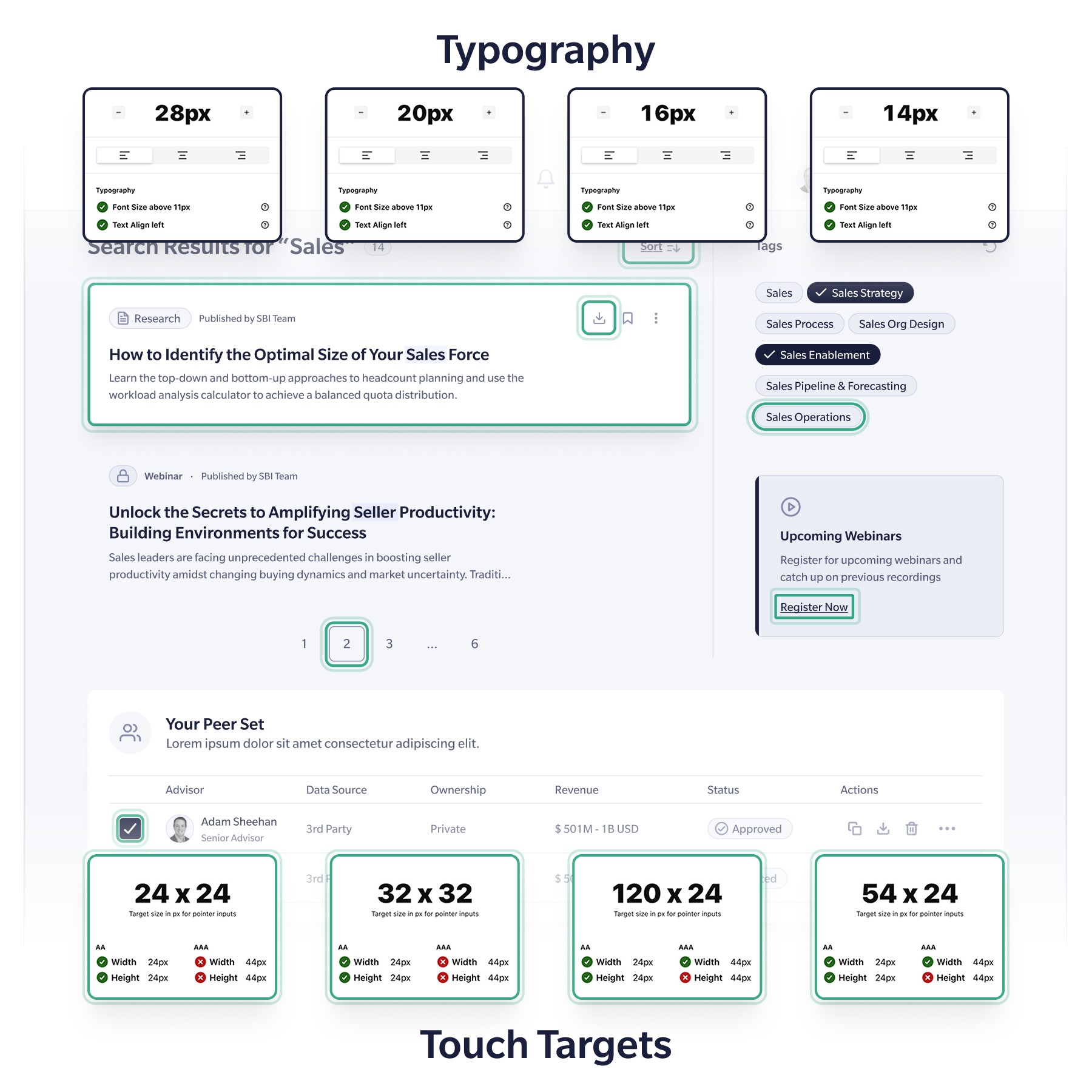
Every component in the system was evaluated against WCAG 2.1 AA standards. Color tokens were tested for contrast ratios (4.5:1 for normal text, 3:1 for large text) across light and dark mode variants. Typography, spacing, focus states, and screen reader labels were defined at the component level, not retrofitted, to improve readability and keyboard accessibility across both platforms.
Outcome
30%
reduction in design-to-delivery time
40%
faster completion for key analyst and sales workflows
100+
components across SBI Pro and Apex